




Golang应用的CI/CD流程优化,求建议与反馈
Golang应用的CI/CD流程优化,求建议与反馈 我在业余时间完成了一个副业项目——NativeCI,这是一个为Go应用程序设计的CI/CD工具——https://nativeci.io。非常高兴能收到关于如何改进这个项目的任何反馈,以及您希望看到哪些功能。


代码检查也是个好主意,并且可以按需启用/禁用
要运行代码检查器,你可以检查是否存在 .golangci.yaml 文件
func main() {
    fmt.Println("hello world")
}

感谢,这是个好主意,尤其是在测试方面。如果能有一个专门的地方来查看通过/失败的测试,并且可能提取额外的信息,将会很有用。 代码检查也是个好主意,并且可以可选地启用/禁用。

gucio321:
paladium: 代码检查也是个好主意,可以按需启用或禁用
要运行代码检查器,你可以检查是否存在
.golangci.yaml文件
谢谢,我会照做的。

gucio321:
@paladium 是否可以在 GitHub 上添加 CI 作为 PR 测试?
目前还不行,但我觉得这个想法很有趣。基本上,就是允许在每次有人打开拉取请求时运行流水线,就像 TravisCI 那样吗?
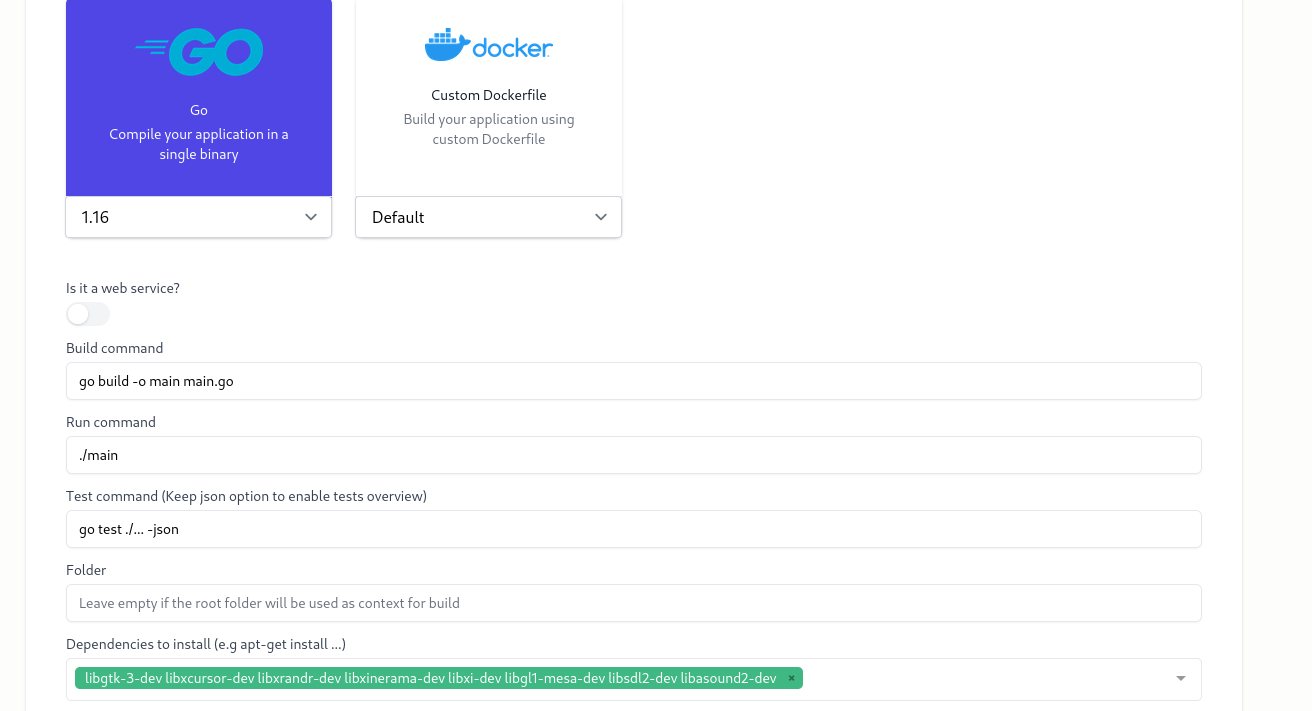
是的,目前你可以指定自定义的 Dockerfile 来部署,并且基本上可以安装自定义依赖项,因为你拥有完全的控制权。然而,很明显,并非每个人都想折腾这些文件,他们只希望一切能正常工作。我正在考虑允许人们在项目设置中指定要安装的自定义依赖项,你对此有何看法?对你来说,使用这个功能最简单的方式是什么?

gucio321:
看起来不错, 你可以添加对
go test命令的支持来运行测试 同时你也可以添加一些 linter 支持(例如 golangci-lint)
顺便说一下,我已经添加了测试项目的功能,你可以试试看并告诉我你的想法 )

gucio321:
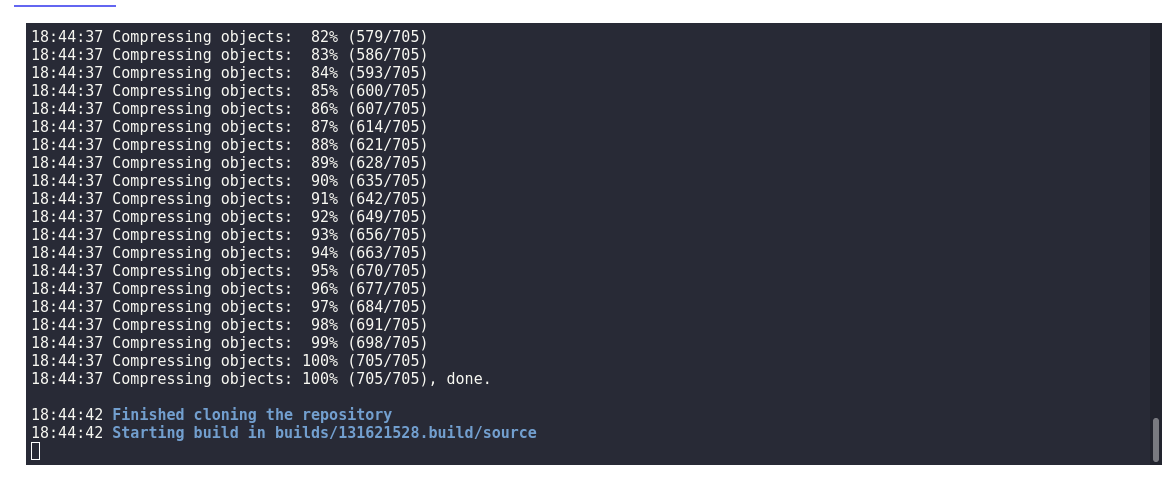
嗯,@paladium,我想我在设置 OpenDiablo2 项目 时遇到了问题。构建在某个阶段卡住了。这是我的设置:
顺便问一下:我可以在哪里报告问题(在 GitHub 上提交 issue)?
你好,我会查看这个问题。你可以在 GitHub - NativeCI/Issues: Tracking issues & bugs for NativeCI 提交 issue。

关于NativeCI的CI/CD流程优化建议
NativeCI作为专门为Go应用设计的CI/CD工具,在架构设计上已经具备了良好的基础。以下是一些具体的优化建议和功能增强方案:
1. 依赖缓存优化
Go模块依赖下载是CI流程中的主要耗时环节。建议实现智能缓存机制:
// 示例:增量依赖缓存实现
type DependencyCache struct {
    cacheDir     string
    goProxy      string
    checksumDB   string
}

func (dc *DependencyCache) WarmCache(goModHash string) error {
    // 基于go.mod哈希值创建缓存层
    cacheKey := fmt.Sprintf("deps-%s", goModHash[:8])
    cachePath := filepath.Join(dc.cacheDir, cacheKey)

    if !dc.isCacheValid(cachePath) {
        // 并行下载依赖
        err := dc.parallelDownload(goModHash, cachePath)
        if err != nil {
            return fmt.Errorf("缓存预热失败: %w", err)
        }
    }

    // 创建符号链接到当前工作目录
    return os.Symlink(cachePath, "vendor-cache")
}
2. 测试并行化与智能分割
针对大型Go项目的测试优化:
// 示例:测试套件智能分割
type TestPartitioner struct {
    testFiles   []string
    historyData TestHistory
}

func (tp *TestPartitioner) PartitionByRuntime(workers int) [][]string {
    // 基于历史运行时间分配测试文件
    partitions := make([][]string, workers)
    estimatedTimes := make([]float64, workers)

    sort.Slice(tp.testFiles, func(i, j int) bool {
        return tp.historyData.GetRuntime(tp.testFiles[i]) >
               tp.historyData.GetRuntime(tp.testFiles[j])
    })

    for _, testFile := range tp.testFiles {
        // 分配给当前预估时间最短的分区
        minIdx := 0
        for i := 1; i < workers; i++ {
            if estimatedTimes[i] < estimatedTimes[minIdx] {
                minIdx = i
            }
        }
        partitions[minIdx] = append(partitions[minIdx], testFile)
        estimatedTimes[minIdx] += tp.historyData.GetRuntime(testFile)
    }

    return partitions
}
3. 增量构建支持
实现基于代码变更的智能构建:
// 示例:增量编译检测
type IncrementalBuilder struct {
    baseCommit   string
    currentCommit string
    changedFiles []string
}

func (ib *IncrementalBuilder) NeedsRebuild(packagePath string) bool {
    // 分析依赖关系,确定是否需要重新构建
    deps, err := ib.getPackageDeps(packagePath)
    if err != nil {
        return true // 出错时保守选择全量构建
    }

    // 检查变更文件是否影响当前包
    for _, changed := range ib.changedFiles {
        if ib.affectsPackage(changed, deps) {
            return true
        }
    }

    return false
}

func (ib *IncrementalBuilder) getPackageDeps(pkg string) ([]string, error) {
    cmd := exec.Command("go", "list", "-f", "{{.Deps}}", pkg)
    output, err := cmd.Output()
    if err != nil {
        return nil, err
    }

    var deps []string
    // 解析依赖输出
    // ... 解析逻辑

    return deps, nil
}
4. 期望新增的功能特性
4.1 Go版本矩阵测试
# 示例配置
go_versions:
  - "1.21"
  - "1.22"
  - "1.23"
  - tip

platforms:
  - linux/amd64
  - linux/arm64
  - darwin/amd64
  - darwin/arm64
4.2 性能基准测试集成
// 自动检测和运行基准测试
func RunBenchmarksWithAnalysis() {
    // 运行基准测试
    cmd := exec.Command("go", "test", "-bench", ".", "-benchmem", "-count", "5")

    // 分析结果,检测性能回归
    results := parseBenchmarkOutput(cmd.Output())

    // 与历史数据对比
    if detectRegression(results) {
        failPipeline("检测到性能回归")
    }
}
4.3 安全扫描集成
// 集成Go安全工具
type SecurityScanner struct {
    tools []SecurityTool
}

func (ss *SecurityScanner) Scan() []Vulnerability {
    var vulnerabilities []Vulnerability

    // 并行运行多种安全扫描
    var wg sync.WaitGroup
    results := make(chan []Vulnerability, len(ss.tools))

    for _, tool := range ss.tools {
        wg.Add(1)
        go func(t SecurityTool) {
            defer wg.Done()
            results <- t.Scan()
        }(tool)
    }

    go func() {
        wg.Wait()
        close(results)
    }()

    for vulns := range results {
        vulnerabilities = append(vulnerabilities, vulns...)
    }

    return vulnerabilities
}
4.4 构建产物分析
// 分析二进制文件大小和依赖
type BinaryAnalyzer struct{}

func (ba *BinaryAnalyzer) Analyze(binaryPath string) BinaryReport {
    report := BinaryReport{}

    // 获取文件大小
    if info, err := os.Stat(binaryPath); err == nil {
        report.Size = info.Size()
    }

    // 使用go tool nm分析符号表
    cmd := exec.Command("go", "tool", "nm", "-size", binaryPath)
    output, _ := cmd.Output()
    report.Symbols = parseNMSize(output)

    // 检测未使用的依赖
    report.UnusedDeps = ba.detectUnusedDependencies()

    return report
}
5. 配置优化建议
5.1 声明式管道配置
# nativeci.yml 示例
version: "2.0"

pipeline:
  test:
    parallel: true
    matrix:
      go: ["1.21", "1.22"]
      os: [ubuntu-latest, macos-latest]
    cache:
      - go-mod
      - build-cache

  build:
    strategy: incremental
    artifacts:
      - name: binary
        path: ./dist
        platforms: [linux/amd64, darwin/arm64]

  security:
    scan: [sast, dependency, licenses]
    fail_on: high

  deploy:
    environments:
      - staging
      - production
    approval: manual
5.2 智能重试机制
type SmartRetry struct {
    maxAttempts int
    backoff     time.Duration
}

func (sr *SmartRetry) Execute(fn func() error) error {
    for attempt := 1; attempt <= sr.maxAttempts; attempt++ {
        err := fn()
        if err == nil {
            return nil
        }

        // 根据错误类型决定是否重试
        if !sr.shouldRetry(err) {
            return err
        }

        if attempt < sr.maxAttempts {
            time.Sleep(sr.backoff * time.Duration(attempt))
            sr.backoff *= 2 // 指数退避
        }
    }
    return fmt.Errorf("最大重试次数已达: %d", sr.maxAttempts)
}
这些优化方案主要针对Go生态系统的特定需求,包括依赖管理、测试优化、构建性能和安全扫描等方面。实现这些功能将使NativeCI在Go CI/CD工具中具备更强的竞争力。
