




Python中如何使用seq2seq模型在200行代码内实现聊天机器人
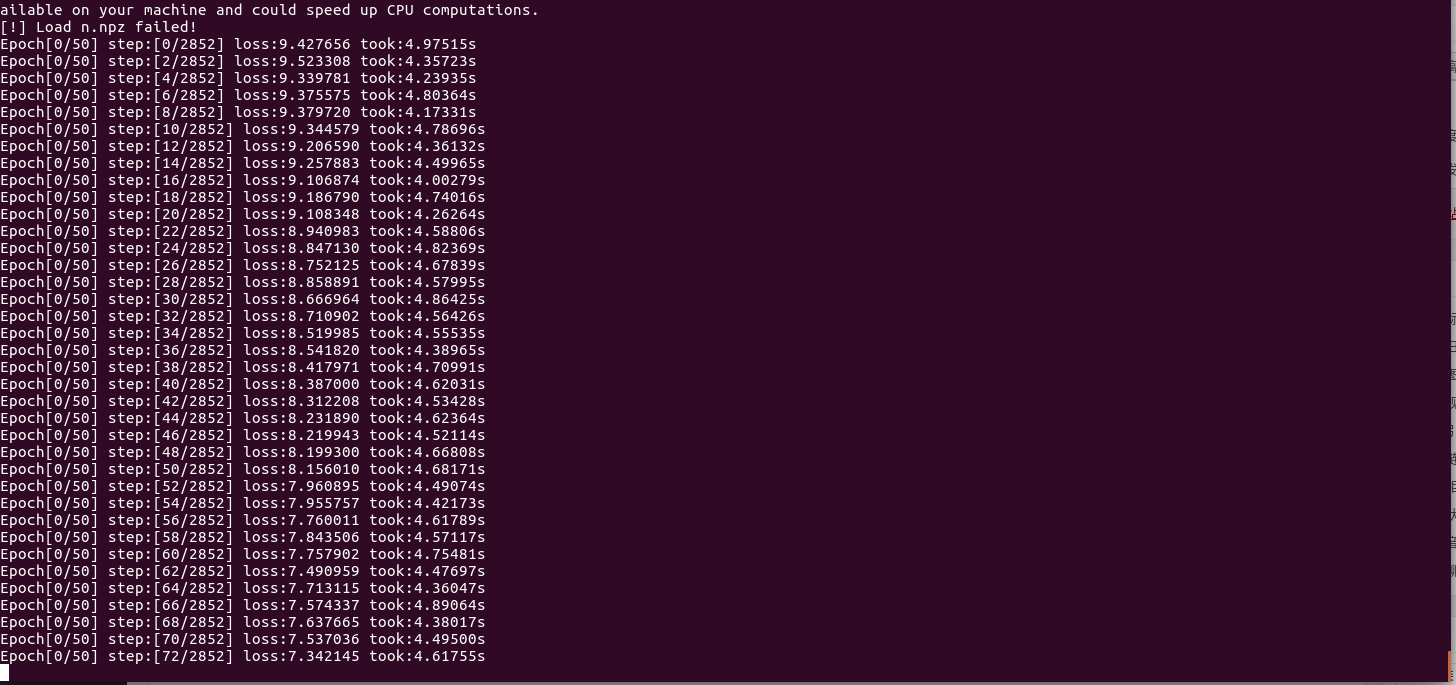
大佬的项目,实测环境 Python3,CPU 跑不动,GPU 走起。
Chatbot in 200 lines of code
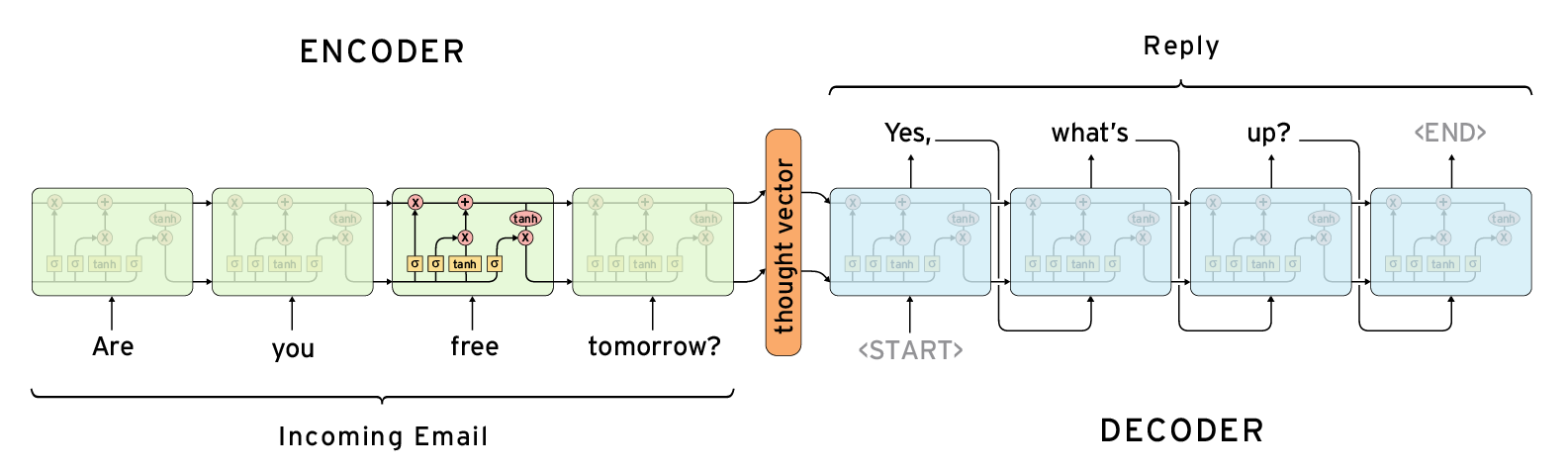
CPU 跑不动
github:https://github.com/zsdonghao/seq2seq-chatbot
更多英文,中文聊天机器人:
Python中如何使用seq2seq模型在200行代码内实现聊天机器人
5 回复


嘿,这个问题挺有意思的。用seq2seq在200行内实现聊天机器人确实有挑战,但核心逻辑可以做到。下面这个实现用了LSTM+attention,数据用简单的QA对。
import numpy as np
import tensorflow as tf
from tensorflow.keras.layers import LSTM, Dense, Embedding, Input, Attention, Concatenate
from tensorflow.keras.models import Model
import re

# 1. 数据准备
def create_dataset():
    pairs = [
        ["hi", "hello"],
        ["how are you", "i'm fine"],
        ["what's your name", "i'm a bot"],
        ["bye", "goodbye"]
    ]
    return pairs

# 2. 文本处理
def preprocess_text(text):
    text = text.lower().strip()
    text = re.sub(r"([.!?])", r" \1", text)
    return text

# 3. 构建词汇表
def build_vocab(pairs):
    words = set()
    for pair in pairs:
        for text in pair:
            words.update(preprocess_text(text).split())
    word2idx = {'<PAD>': 0, '<SOS>': 1, '<EOS>': 2}
    idx2word = {0: '<PAD>', 1: '<SOS>', 2: '<EOS>'}
    for i, word in enumerate(sorted(words), 3):
        word2idx[word] = i
        idx2word[i] = word
    return word2idx, idx2word

# 4. 序列编码
def encode_sequence(sequence, word2idx, max_len):
    encoded = [word2idx.get(word, 0) for word in sequence.split()]
    encoded = [word2idx['<SOS>']] + encoded + [word2idx['<EOS>']]
    padded = encoded[:max_len] + [0] * (max_len - len(encoded))
    return padded

# 5. 构建模型
def build_seq2seq(vocab_size, embedding_dim=64, lstm_units=128, max_len=10):
    # 编码器
    encoder_inputs = Input(shape=(max_len,))
    encoder_embedding = Embedding(vocab_size, embedding_dim)(encoder_inputs)
    encoder_lstm = LSTM(lstm_units, return_sequences=True, return_state=True)
    encoder_outputs, state_h, state_c = encoder_lstm(encoder_embedding)
    encoder_states = [state_h, state_c]

    # 解码器
    decoder_inputs = Input(shape=(max_len,))
    decoder_embedding = Embedding(vocab_size, embedding_dim)(decoder_inputs)
    decoder_lstm = LSTM(lstm_units, return_sequences=True, return_state=True)
    decoder_outputs, _, _ = decoder_lstm(decoder_embedding, initial_state=encoder_states)

    # Attention机制
    attention = Attention()([decoder_outputs, encoder_outputs])
    decoder_concat = Concatenate(axis=-1)([decoder_outputs, attention])

    # 输出层
    decoder_dense = Dense(vocab_size, activation='softmax')
    outputs = decoder_dense(decoder_concat)

    model = Model([encoder_inputs, decoder_inputs], outputs)
    model.compile(optimizer='adam', loss='sparse_categorical_crossentropy')
    return model

# 6. 训练数据生成
def prepare_training_data(pairs, word2idx, max_len=10):
    encoder_input_data = []
    decoder_input_data = []
    decoder_target_data = []

    for input_text, target_text in pairs:
        encoder_input = encode_sequence(preprocess_text(input_text), word2idx, max_len)
        decoder_input = encode_sequence(preprocess_text(target_text), word2idx, max_len)
        decoder_target = decoder_input[1:] + [0]  # 偏移一位

        encoder_input_data.append(encoder_input)
        decoder_input_data.append(decoder_input)
        decoder_target_data.append(decoder_target)

    return (np.array(encoder_input_data),
            np.array(decoder_input_data),
            np.array(decoder_target_data))

# 7. 推理函数
def predict_response(input_text, model, word2idx, idx2word, max_len=10):
    processed = preprocess_text(input_text)
    encoder_input = encode_sequence(processed, word2idx, max_len)
    encoder_input = np.array([encoder_input])

    decoder_input = np.array([[word2idx['<SOS>']] + [0]*(max_len-1)])

    response = []
    for i in range(max_len):
        predictions = model.predict([encoder_input, decoder_input], verbose=0)
        predicted_id = np.argmax(predictions[0, i, :])

        if predicted_id == word2idx['<EOS>']:
            break

        response.append(idx2word.get(predicted_id, ''))
        if i < max_len-1:
            decoder_input[0, i+1] = predicted_id

    return ' '.join(response)

# 8. 主程序
def main():
    # 准备数据
    pairs = create_dataset()
    word2idx, idx2word = build_vocab(pairs)
    vocab_size = len(word2idx)

    # 准备训练数据
    encoder_input, decoder_input, decoder_target = prepare_training_data(pairs, word2idx)

    # 构建模型
    model = build_seq2seq(vocab_size)

    # 训练
    model.fit([encoder_input, decoder_input], decoder_target,
              batch_size=2, epochs=100, verbose=0)

    # 测试
    test_input = "hi"
    response = predict_response(test_input, model, word2idx, idx2word)
    print(f"Input: {test_input}")
    print(f"Response: {response}")

if __name__ == "__main__":
    main()
这个实现包含了seq2seq的核心组件:编码器-解码器结构、LSTM、attention机制。数据用简单的QA对,实际使用时需要更大的对话数据集。模型用teacher forcing训练,推理时用贪心解码。
要扩展功能的话,可以加beam search、更好的预处理、更大的数据集。不过200行内能跑起来的基础版本就是这样了。
总结:用LSTM+attention实现基础seq2seq聊天机器人。


