



Golang分布式任务管理系统分享:Asgard的使用与实践
Golang分布式任务管理系统分享:Asgard的使用与实践
源代码


dalonghahaha/Asgard
Asgarde 框架。通过在 GitHub 上创建帐户,为 dalonghahaha/Asgard 的开发做出贡献。
介绍
Asgard 是一个分布式作业管理系统,旨在全面解决常驻进程应用、计划任务和调度任务。
架构设计
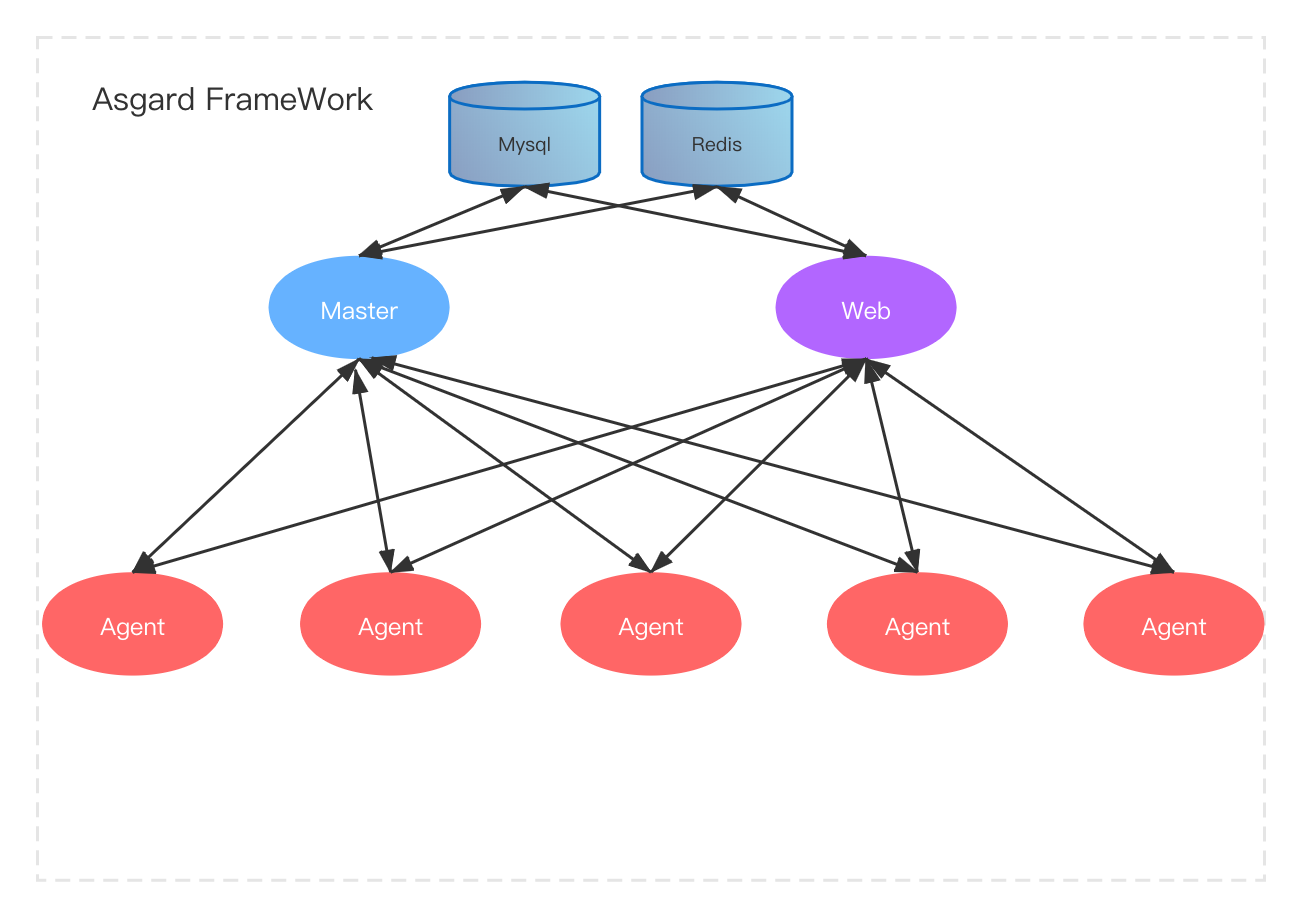
- Asgard 系统由 Web 节点、Master 节点和 Agent 节点组成。
- Web 节点的主要功能包括实例管理、组管理、作业配置、作业运行状态控制、作业运行状态查看、日志查询。
- Master 节点负责 Agent 节点的状态监控,同时接收并转储 Agent 节点上报的运行时数据。
- Agent 节点接收来自 Web 节点的指令,并在相应的服务器中执行相关操作。
- Master 节点和 Agent 节点通过 gRPC 协议交换数据。
更多关于Golang分布式任务管理系统分享:Asgard的使用与实践的实战教程也可以访问 https://www.itying.com/category-94-b0.html
1 回复

更多关于Golang分布式任务管理系统分享:Asgard的使用与实践的实战系列教程也可以访问 https://www.itying.com/category-94-b0.html
Asgard确实是一个设计良好的分布式任务管理系统,其架构清晰且功能全面。从架构图来看,它采用了典型的主从模式,通过gRPC进行高效通信。
让我通过示例代码展示如何快速集成Asgard的Agent节点:
package main

import (
    "context"
    "log"
    "time"

    "github.com/dalonghahaha/Asgard/agent"
    "github.com/dalonghahaha/Asgard/proto"
)

// 定义一个简单的任务处理器
type MyTaskHandler struct{}

func (h *MyTaskHandler) Execute(ctx context.Context, task *proto.Task) (*proto.Result, error) {
    log.Printf("执行任务: %s, 参数: %v", task.Name, task.Params)

    // 模拟任务执行
    time.Sleep(2 * time.Second)

    return &proto.Result{
        TaskId:    task.Id,
        Status:    proto.TaskStatus_SUCCESS,
        Output:    "任务执行成功",
        Timestamp: time.Now().Unix(),
    }, nil
}

func main() {
    // 创建Agent配置
    config := &agent.Config{
        ServerAddr: "localhost:50051",
        WorkerNum:  10,
        Group:      "default",
    }

    // 初始化Agent
    agt, err := agent.NewAgent(config)
    if err != nil {
        log.Fatal("创建Agent失败:", err)
    }

    // 注册任务处理器
    agt.RegisterHandler("my_task", &MyTaskHandler{})

    // 启动Agent
    ctx := context.Background()
    if err := agt.Start(ctx); err != nil {
        log.Fatal("启动Agent失败:", err)
    }

    // 保持运行
    select {}
}
对于Master节点的监控功能,可以这样实现数据收集:
// Master节点监控示例
func monitorAgents(master *agent.Master) {
    ticker := time.NewTicker(30 * time.Second)
    defer ticker.Stop()

    for range ticker.C {
        agents := master.GetActiveAgents()
        log.Printf("活跃Agent数量: %d", len(agents))

        for _, agent := range agents {
            stats := agent.GetStats()
            log.Printf("Agent %s: CPU使用率 %.2f%%, 内存使用 %.2fMB",
                agent.ID, stats.CPUUsage, stats.MemoryUsage/1024/1024)
        }
    }
}
Web节点的任务调度可以通过REST API实现:
// Web节点API示例
func scheduleTask(web *web.Server) {
    task := &proto.Task{
        Id:     uuid.New().String(),
        Name:   "data_processing",
        Params: map[string]string{"input": "/data/source.csv"},
        Cron:   "0 */5 * * * *", // 每5分钟执行一次
    }

    // 通过Web API提交任务
    resp, err := http.Post("http://localhost:8080/api/tasks",
        "application/json",
        bytes.NewBuffer(task.ToJSON()))
    if err != nil {
        log.Fatal("提交任务失败:", err)
    }
    defer resp.Body.Close()

    log.Println("任务已提交,ID:", task.Id)
}
Asgard的gRPC协议定义确保了节点间的高效通信:
// 任务定义
message Task {
    string id = 1;
    string name = 2;
    map<string, string> params = 3;
    string cron = 4;
    int64 timeout = 5;
}

// 执行结果
message Result {
    string task_id = 1;
    TaskStatus status = 2;
    string output = 3;
    int64 timestamp = 4;
    string error = 5;
}
这个系统的优势在于其模块化设计,每个节点职责明确。Agent节点的插件化架构使得扩展新任务类型非常方便,只需实现对应的Handler接口即可。Master节点的状态监控机制能够实时跟踪整个集群的健康状况。
